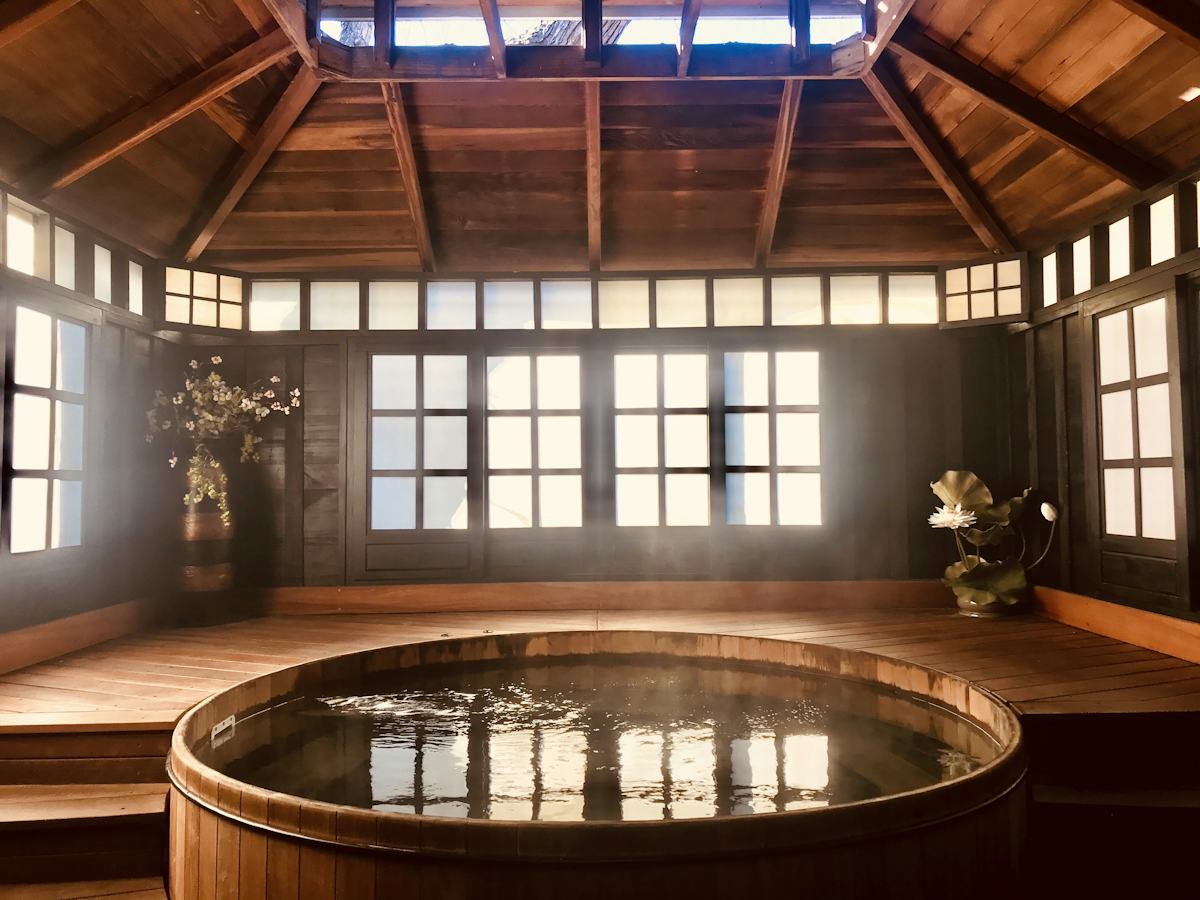
Inspect Now
A one-hour inspection in October does wonders.
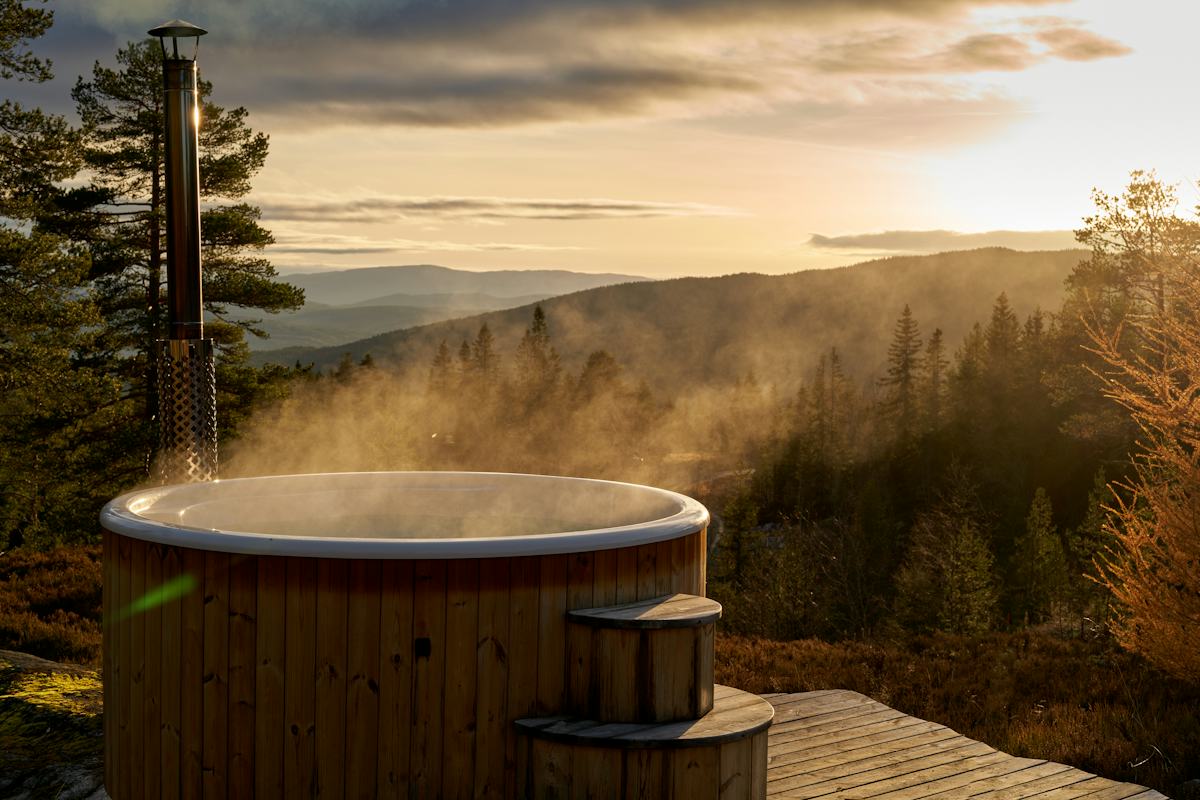
Chemical Check
Adjusting pH makes winter swims safer and smarter.

Cover It
A tight cover is your spa’s snug blanket.
On the Olympic Peninsula, winters are wet more often than they're icy — and that changes the answer to "should I close my pool?" Unlike colder regions where closing is automatic, here it's a genuine choice. Here's how to make it.
Leave it open if: you use the pool or spa year-round, or you run a heater with a good cover and enjoy cold-season soaks. In our mild climate, water that keeps circulating through freezing nights is usually well protected — a moving pool rarely freezes.
Winterize it if: you won't use it for months, your site is prone to power outages, or you'd rather cut winter electricity and chemical costs. A proper closing protects your plumbing, equipment, and shell through the wet season.
If you keep it open:
1. Keep the pump on a timer through freezing nights — circulation is your freeze protection.
2. Balance water monthly and shock after heavy rain, which dilutes your chemistry fast.
3. Skim often. Winter storms fill open pools with debris quickly.
4. Check the cover and heater before the first hard freeze.
5. Have an outage plan: know where your drain valves are before you need them.
If you close it:
1. Balance the water, then lower the level below the skimmer.
2. Blow out and plug the lines, and add winterizing chemicals.
3. Drain and protect the pump, filter, and heater.
4. Use a solid safety cover, secured tight.
5. Check monthly — heavy rain and wind shift covers and raise water levels.
Either way, a professional visit in November, December or January sets you up for a trouble-free spring opening. Black Bear Spa handles full winterizations and open-pool winter maintenance —
call 1-877-99-BBSPA to schedule yours.
A one-hour inspection in October does wonders.
Adjusting pH makes winter swims safer and smarter.
A tight cover is your spa’s snug blanket.
Start winter with confidence using our honest advice.
Winterizing made easy with simple instructions.
Leave the hassles to us! Call and relax.